Subtotal $0.00




144
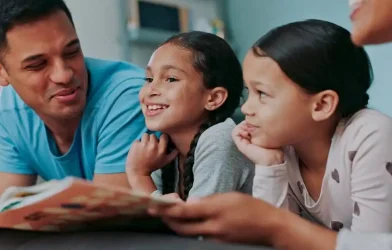
In an age of incessant alarms and timetables, families desire a religion that is alive, the kind that builds character, cultivates purpose and maintains hope. Religious training does not necessarily need to resemble your dining table classroom. It may be incorporated into the routines of life that you already know: car trips, dinner preparation, bed time, and weekend activities.
What Is Faith Education?
Faith education is a deliberate, continuous construction of the beliefs, values and practices in ordinary lives in the home, in convening by worship, in community and online so that children and adults can be wiser, kind and aimful. It combines narrative, service, spiritual formation, and reflection to form a lifetime spiritual formation.
Why It Is Important to Modern Day Families
It enhances self and determination. The mindset of having a bigger picture is likely to have the children endure challenges because they seldom give up after considering the values and the purpose of life.
It deepens family bonds. Minor rituals result in emotional safety and belonging.
It guides ethical choices. Labeling such values as honesty, courage, and generosity will guide kids to overcome peer pressure and online life.
Studies conducted by well-known institutions of family life, education and religion always demonstrate that when the caregivers are practicing faith at home as well as community engagement, children indicate healthier well-being, more stable moral reasoning, and empathy. Stated differently, home is not an alternative to congregational life- it is the engine.
The Work Approaches of Creativity
1) Micro-Moments, Big Impact
Think in minutes, not hours. Small touchpoints are created by a 60-second prayer of gratitude at breakfast, a value of the day, on the school going drive, or a one-line prayer at bedtime. Keep it to the point: a verse, question, action.
2) Storytelling That Sticks
Stories are remembered better by children compared to rules. Retell religious stories in ordinary words and ask children to jump into the story. Ask: “What would you do?” “Who needed courage?” Bring the story to life with the use of props, drawings or a basic comic.
3) Reflection-Based Service Learning
Turn compassion into a habit. Decide on a monthly family activity, such as filling hygiene kits, writing letters to the patients in the hospital or doing a cleanup of the neighborhood. Pair activity with reflection: “Where are we kind today? “How did serving change us?” Empathy and purpose are implemented in this cycle.
Religion flourishes between generations. Encourage grandparents to talk about the way they overcame difficulty. Incorporate children in the readings of a blessing, reading or music during worship. Intergenerational worship/mentoring creates a sense of belonging and impart wisdom that can be transferred only through curriculum.
5) Tech Wise (Digital Discipleship)
Curate, don’t scroll. Make a playlist of contemplative songs, a playlist of the week lock-screen, and a joint note-taking app that contains prayer requests. Video call remote family members to have a weekly benediction. Educate media literacy: Who is making this? What value is being promoted?
6) Expectancy and Befuddlement Requirement
Faith is not threatened by curiosity; it is an opening. Make it the norm to say I don’t know, we should look. Contrast the views of reliable parties, inquire about the applicability of a teaching to the real world, and encourage the wonder. Lasting spiritual formation is a key component of which psychological safety is a primary ingredient.
7) Household Rituals, Your Way
Give yourself two consistent habits (one gratitude candle on Friday, one nature walk wonder hunt on Sunday). Rituals are effective since they are repetitive. Five minutes can change the tone in the house and provide the child with religious language to express the large emotions.
8) Non-Discriminatory Practices toward various learners
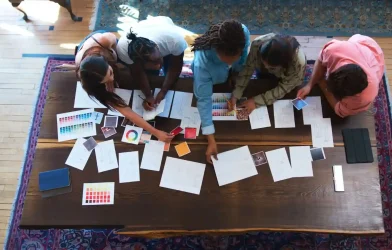
Honor learning differences. Assign practical tasks to students of kinesthetic type (creating a gratitude jar), provide pictures to students of the detail type and silent reflection time to students of the introvert type. Accessibility is a message that we are all welcome- as everybody is.
A Real Life Abstract: The Martinez Family
The Martinezes maintain a jar of the counter on weeknights and place the jar labeling it as Mercy Moments. Any family member will slip in a slip explaining where he/she saw mercy, apologize to a brother, assist a neighbor, forgive an error. On Sundays they read two slips and tell the story and one-line prayer.
They also rotate leadership. Their nine year old regulates ten or fifteen minutes of storytelling with Lego characters; the following week he or she manages a playlist of three songs about courage. It is not fancy, however, it is uniform. They have slowly seen the level of argument reduce more quickly and good will become how we do things here.
Professional Reflections and Investigations
The process of habit formation science demonstrates that meaning and recall are pegged by tiny and repeating cues (such as lighting a candle before dinner).
Developmental psychology brings out that values are best imbibed in children by modeling and narrative rather than by lecture.
It is well documented in the research of family ministry and education that intergenerational relationships are the most prevalent predictor of an adult long-term faith engagement and service-oriented adulthood.
Such insights are in line with what most parents see: faith is adhered to when done in society and at home, lived more than taught.
Getting Started This Week
Select one micro-moment (breakfast gratitude), and one ritual each week (Friday candle).
Choose an easy action of service and discuss the why.
Technology guardrail: a collective prayer memo, playlist.
Arrange one intergenerational contact- a phone call with a grandparent to have a story.
The Measurement of Growth without Pressure
Religion should not be a report card. Rather than asking questions, pay attention to the language: more we than me, shorter apologies, bolder gentleness. Have a reflection on a monthly basis: “Where were we seeing our values at work? It makes a plain family journal inspirational and a diary.
Summary: Growing Faith: A Faith That Grows with Your Family
Religion education is flourishing when it is integrated into everyday life and it is communal and open to questions. Begin minor, regular and make it happy. These will bring wisdom, courage and compassion, which is precisely what our world requires as your family story tells, serves and performs rituals.
FAQs
What is the way that busy parents can exercise faith education in their daily lives?
Begin with micro-moments: a prayer of gratitude, 60 seconds before breakfast, a value or verse on the school commute and a brief check-in before bed. Connect lessons to experiences–apologies, sharing, courage. Keep it bare: storybook, candle, playlist. Regularity is better than duration; strive to have three touchpoints.
What would happen to my hard questions or doubts in case my child questions me with hard questions?
Embrace doubt in spiritual development. Ask, “That is a good question–we will see it now. Provide age-related materials, contrast points of view, and lead by example by not knowing something. Feelings on the back of the question. Provide judgment free zone, and come back later with mentor, clergymen, or validated research and reliable science.
What are some ways of integrating grandparents and community when it comes to faith education?
Think intergenerational. Ask grandparents to tell stories of resistance, immigration, or service. Make use of service learning with mentors of the community: food banks, community clean-up, hospital cards etc. Change leadership within family rituals. Simple technology, such as video sessions to bless each other weekly, sharing playlists, photo prompts, etc., will ensure that distance does not become a barrier, and common practices can continue being enjoyed by all of us.