Subtotal $0.00




119
Charity projects managed through faith have been playing a significant role in community building and meeting social needs. The initiatives being discussed are based on several different religious traditions; they are not only supposed to help the needy but also help to bring people together and make them closer to each other and share some values, which are valued within communities. This blog presents the idea of how faith-based charity projects are uniting communities and their influence on social cohesion, mutual support, and action.
1. Shared Values and Common Purpose
A common faith-based conviction system is the core element of faith-based charity work that promotes charity, generosity, and service to others. No matter what the religion is edified in Christianity, Islam, Judaism, Buddhism, and others, these principles encourage people to perform charitable work.
When the members of the community gather to do something together like feeding the homeless or offering disaster relief and helping local families in need they form a potent sense of belongingness. This common purpose brings about cohesion because members of the group work and identify with each other in terms of the belief and dedication to serving others.
2. Creating Bridges between the Racial Communities
Charitable projects that are based on faith tend to be an avenue through which they help in the reconciliation between diverse communities. Various religious and cultural groups live in most regions where tension may or may not be witnessed. The charity activities are one of the ways by which these groups can work together, thereby fostering communication and mutual understanding.
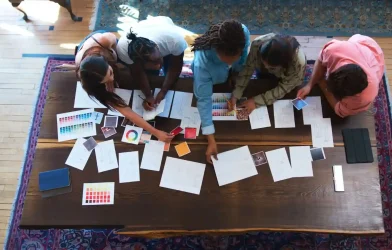
As an example, the interfaith food walks or community service day provide people of diverse backgrounds with an opportunity to collaborate to achieve a similar purpose. These interactions would enable the participants to learn through each other, eliminate stereotypes and form friendships that are not based on religious or cultural backgrounds.
3. Scheduling Mobilization and Volunteers
Religious institutions usually possess a network of members and well wishers who would volunteer to give up their time and resources. Faith-based charities are useful during crisis periods because these networks can be mobilized in response to the needs of the community within a short period.
As an example, at times of natural disasters, the religious groups are able to organize rescue, collect donations, and volunteer to help the victims. The exigency and communion that it creates in such cases enhances community bonds as human beings unite to assist the neighbors.
4. Creating a Culture of Giving
Projects that are based on religion encourage the culture of giving and serving. Most religious doctrines attach a share of importance to charity as they urge their followers to share their blessings with the needy.
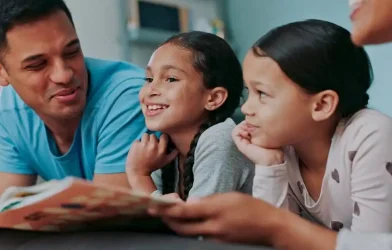
This will be a lesson to others especially to children and the youth when the faith communities participate actively in charitable work to provide a model to others. Engaging in charity projects would inculcate a spirit of generosity and empathy among the young generations which can be a cycle of giving that would span years. Children will develop these values more easily because they will have seen their parents and members of the society as they provide to others when they enter adulthood.
Role Models: Role models are the adults in faith communities who show the significance of service and charity.
Youth Engagement: Youth targeted programs assist in developing a sense of purpose and responsibility.
Continuous Tradition: The tradition can be established by making it a yearly event with charity that will help attract the generation.
5. Being able to offer Emotional and Spiritual Support
Along with meeting the material needs, charity projects guided by faith usually have a component of emotional and spiritual support of needy people. Several hard-struck people might be isolated or hopeless. The charitable work can provide faith communities with a sense of belonging and hope.
Considering the example of support groups, counseling sessions, and prayer circles, arranged by faith-based charities, one can get through a tough period with the help of these organizations. Such a comprehensive stance on charity, serving both physical and emotional needs, will bring about a stronger bond in the community and boost the belief that all people need to be treated with compassion and care.
6. Empowerment with Education and Skill Participation
A lot of charity initiatives that are grounded in the faith community aim at empowerment of people by educating and training them on skills. Tutoring programs, job training or financial literacy programs can help the members of the community to better their situations and become self-sufficient.
Faith-based organizations can address their short-term needs by actively investing in the growth and development of individuals and play a part in the resilience of the community in the long-term. As people acquire new skills and knowledge, they are more active members of their communities, which strengthen social ties even more.
Tutoring Programs: After-school tutoring programs have the ability to enable students to perform better and have confidence.
Job Training Workshops: Preparation to the job market can be done through workshops where people get to learn practical skills that will help them in the job market.
Financial Literacy Classes: Educating the community members on finances about budgeting and saving will ensure financial independence.
7. Embracing diversity by giving charity
Faith-based charity projects have a tendency of embracing the diversity of the community in which they operate by including different cultural practices and traditions in the projects. This diversity may help to increase the level of community involvement, as people will not feel that their individualities are disregarded.
An example is that the charity events, which include cultural performances, food belonging to various traditions, or multi-lingual outreach will attract a wider audience. This does not only add value to the charitable experience but also gives the message that each and every person could have a worthy contribution to make to the society.
8. Community Development on a long-term basis
Most charity projects run by religious groups are not aimed at providing immediate relief but at community development in the long run. Planning affordable housing, community gardens or mentor programs supporting the youth are initiatives that are focused on a deeper level of social problems and sustainable development.
Faith organizations will be able to encourage sustainable change by adopting a holistic view of community development. The team members of such projects are likely to acquire a high level of ownership to their community, thereby becoming more civic and contributing to constant betterment.
Affordable Housing Programs: Working with local authorities to offer the housing options to the low income families enables the establishment of stable communities.
Community Gardens: By creating gardens, the community will not only have a source of fresh produce but will also have an opportunity to interact and work together.
Youth Mentorship Programs: Mentoring youths would help them develop personally and become leaders.
Final Thoughts
Religious charity initiatives are very crucial towards uniting communities, creating unity and ensuring social needs are met. These programs form powerful relationships between people of different backgrounds through their common values, cooperation, and emphasis on comprehensive support.
Faith-based organizations leave a lasting contribution in communities by encouraging a culture of giving, emotional and spiritual support, empowerment of people through education and development of skills among them. With the social issues we are still experiencing, the value of such projects in enhancing compassion, understanding, and action cannot be overemphasized. Religious charity organizations do not only transform lives but also make our communities as a whole stronger, which makes us all remember the power of service and solidarity.