Subtotal $0.00




114
Bringing up children in the current world is quite challenging to most families because it is fast changing and busy. Exposed to technology at all times, changing social conditions and a broad variety of influences, the children will receive more information, and more pressure, than their predecessors. This renders the deliberate character-building more significant than ever.
It is here that Moral Lessons for Children come in. Moral lessons are not stories, lectures, they are principles that aid children to acquire kindness, honesty, respect, perseverance and empathy. These lessons provide the youth with the mechanism they require to become good, mindful and responsible individuals.
We discuss in this blog why moral guidance is so important, what values best influence children, and how moral lessons can be taught to children in a natural way by families in the course of everyday life.
Why Moral Lessons for Children Matter More Than Ever
The childhood of a child has a profound effect on his or her personality. Their thoughts, feelings, choices, and the behavioral patterns are all starting to develop at the time of childhood. Ethical teachings assist in character building, actions, as well as promotion of desirable social conduct.
When children are taught good values at tender age, they are more inclined to:
Meet the challenges with a strong hand
Build healthy friendships
Make ethical choices
Have sympathy towards others
build integrity based confidence
Academic skills equip children with the skills to go to school but moral lessons equip them with the knowledge to go into life.
The role of Moral Lessons to Children is not exclusive to religious families; it is a common concern in all cultures and backgrounds and traditions, to teach the children good character.
The Foundations of Character: Lessons Children Need
Every family has a way of teaching values, yet some moral teachings are at the center of a good character. The values assist children in overcoming personal and social difficulties and developing emotional and moral strength.
Some of the most impactful moral lessons to children have been presented below in a manner that is relatable and meaningful.
1. Kindness: Treating Others with Care and Compassion
Kindness is more than polite behavior, it’s a mindset. It teaches children to think of others, to act with empathy, and to see value in every person they meet.
Simple everyday moments can show children what kindness looks like: helping a friend, comforting a sibling, or offering a smile. Parents who model kindness create a powerful living example that children naturally absorb.
When children learn kindness early, they become adults who bring positivity, healing, and unity into the world.
2. Honesty: The Courage to Tell the Truth
Honesty brings integrity to children. It demonstrates to them that truth brings trust, bonds relationships and avoids conflict.
There are the times when children are tempted to do something, to break and to hide something, to tell some small lies, not to be caught, or to tell some great stories to be admired by others. Such situations should be used to have communication and not to criticize.
Teaching honesty requires teaching children that it is alright to make a mistake but concealing the truth is even more problematic. Soft suggestions and regular inspirations will ensure that honesty is part of them.
3. Respect: Understanding Value in Self and Others
Respect is one of the strongest pillars of character. It teaches children to honor themselves, others, rules, and boundaries.
Respectful children:
Listen when someone is speaking
Treat others kindly
Care for their belongings
Recognize the importance of differences
Respect also helps prevent conflict, as children learn to consider others’ feelings before acting. It builds self-worth as well, helping children understand that they deserve respect from others too.
4. Responsibility: Learning to Own Actions and Choices
Responsibility gives children independence and confidence. It teaches them that their actions matter, not just to themselves but to the people around them.
Children develop responsibility through:
Completing small chores
Following routines
Owning up to mistakes
Helping with family tasks
Responsibility empowers children. It helps them become reliable, disciplined, and capable adults who understand how to manage their time, tasks, and obligations.
5. Patience: Understanding That Good Things Take Time
Patience is a value that strengthens emotional regulation. In a world built on instant gratification, teaching children to wait, try again, and trust the process is incredibly valuable.
Whether waiting for a turn, struggling with schoolwork, or learning a new skill, patience teaches children resilience. It shows them that progress is often slow but always worthwhile.
Children who learn patience grow into adults who are calm, thoughtful, and steady in difficult situations.
6. Gratitude: Appreciating What You Have
Gratitude helps children focus on what they have, not what they lack. It encourages joy, reduces envy, and strengthens family bonds.
Teaching gratitude can be simple:
Saying “thank you”
Noticing small blessings
Sharing daily moments of appreciation
Gratitude shifts a child’s mindset from entitlement to humility. It helps them value relationships, kindness, and experiences over material things.
7. Forgiveness: Healing Instead of Holding On
Forgiveness teaches children to let go of anger and move forward. Holding grudges can damage relationships and emotional health, but forgiveness brings peace.
Parents can help children understand forgiveness by:
Modeling it within the family
Talking about empathy
Showing that everyone makes mistakes
Forgiveness does not mean forgetting, it means choosing peace over bitterness.
8. Courage: Standing Up for What’s Right
Bravery requires more than courage in high occasions, it is ordinary courage. It teaches children to defend themselves, do what is right, experiment, and fight injustice.
Children who train in valour become self-confident and upright. They are taught that it is better to do the right thing rather than to fit in or not to become uncomfortable.
How to Teach Moral Lessons for Children in Daily Life
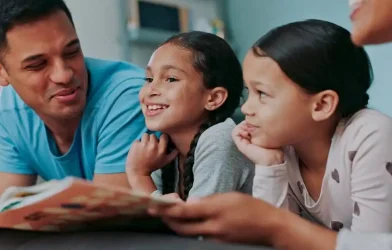
Moral lessons become meaningful when they are woven into everyday routines. Children learn most effectively through experiences, stories, and observation, not through lectures.
Here are a few simple ways families can integrate Moral Lessons for Children into daily life:
1. Lead By Example
Your behavior is the strongest teacher. When children see parents showing patience, kindness, honesty, and respect, they imitate those values naturally.
2. Share Stories with Moral Themes
Children connect deeply with stories. Whether through books, family history, or spiritual lessons, stories make moral values come alive.
3. Encourage Open Conversations
Talk about feelings, decisions, and consequences. Help children think through why certain actions are right or wrong.
4. Celebrate Positive Behavior
When children show kindness, honesty, or responsibility, acknowledge it. Positive reinforcement helps strengthen good habits.
5. Turn Mistakes into Learning Opportunities
Instead of punishment alone, use mistakes as chances to discuss values and problem-solving.
A Few Simple Activities to Reinforce Values
Here are some activities families can use to make moral lessons engaging:
Gratitude Journal: Write or draw something appreciated each day.
Kindness Challenge: Do one small act of kindness daily.
Responsibility Chart: Follow simple daily tasks independently.
Moral Story Night: Read a short story and discuss its lesson.
Even simple activities like these help make values practical and memorable.
Creating a Value-Centered Environment at Home
A home that teaches values is one where children feel safe, loved, and guided. This environment doesn’t have to be perfect, it just needs to be consistent, supportive, and intentional.
A value-centered home often includes:
Meaningful conversations
Respectful communication
Positive role modeling
Opportunities to help others
Such an environment nurtures children who are confident, grounded, and compassionate.
Conclusion
In the modern world being successful as an academic is not sufficient. Emotional sturdiness, ethical knowledge, and morality are also required of children as individuals need them to live their lives with confidence and compassion. That is why we can speak about the importance of Moral Lessons for Children.
Through educating the youth on kindness, honesty, respect, responsibility, patience, gratitude, forgiveness and bravery, we will provide them with values that make decisions and define their future. Such lessons will assist them to become adults who can serve their communities positively, have healthy relationships and make decisions based on integrity.
When the families define the nurturing of moral understanding in their households, they are sowing seeds that will develop into their lifetime character. Those seeds, when cultivated, form a ferment sound enough to overcome the troubles of a constantly shifting world.