Subtotal $0.00



75
The modern fast-paced world requires young people not only to have academic skills to succeed but they must also possess confidence and leadership skills, emotional strength, and be able to cooperate with others. This is the reason why youth leadership programs have been vital pillars in youth development. They assist young people to enter their potentials, to find their talents, and to realize how to be responsible, to serve people, and to be a leader of integrity.
It is a youth program blog that examines a wide scope of best youth program ideas that actually develop leadership and confidence supported by real life examples, up to date information and flexible approaches that can be applied by organizations, schools, and community groups. You can be a youth center manager, a nonprofit organization, a faith-based organization, or you are a parent with questions and concerns: either way, these program concepts provide effective ways to build future leaders.
Why Youth Leadership Programs Matter More Than Ever
Leadership is not a preserve of adult employees who hold job titles. The world requires youths who are able to think, cooperate, express themselves articulately, and solve problems creatively and fearlessly. Youth leadership programs offer well-organized ways of young people to practice these long before they grow up.
This is what young people will get with good programming:
Trust in the making of decisions.
Better public speaking and communication.
Task management and team management skills.
Greater sense of self and purpose.
Increased emotional intelligence and resilience.
Diversity, difference, and teamwork respect.
The right programs help youth step out of comfort zones, challenge assumptions, and learn through meaningful experience. Now let’s explore some practical, impactful, and creative program ideas.
1. Peer-Led Leadership Workshops
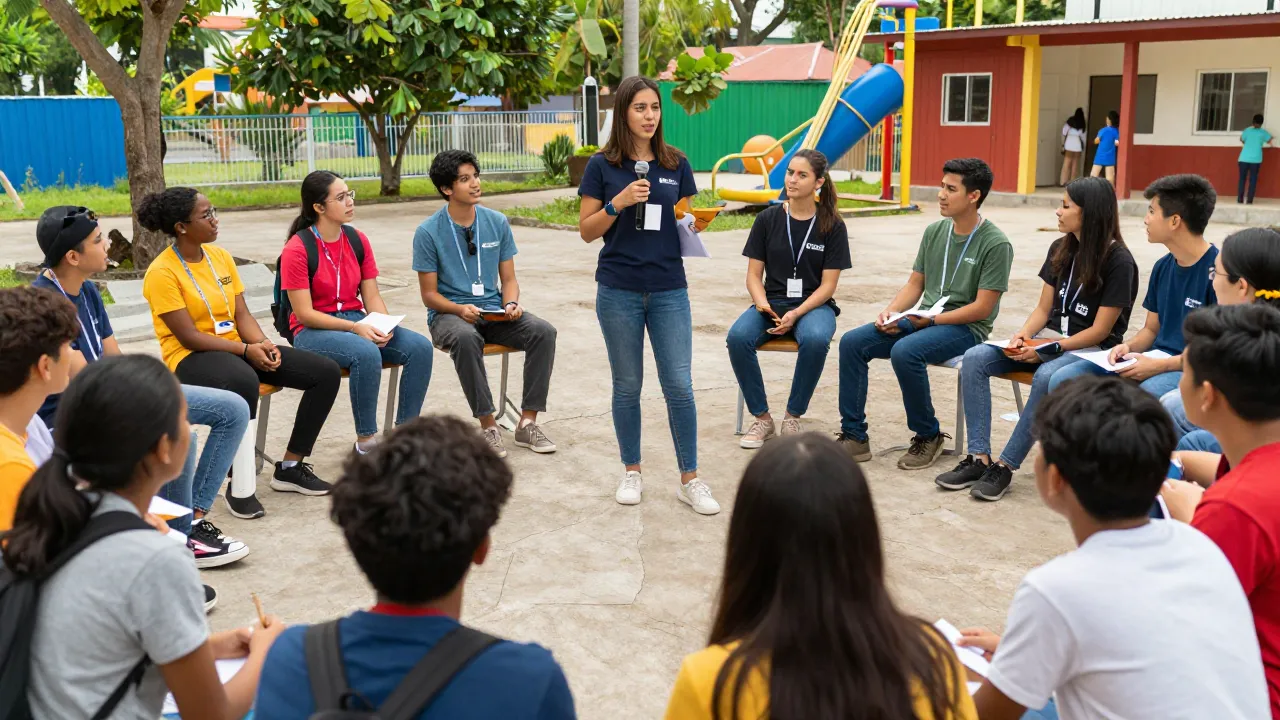
One of the most effective models for youth leadership programs is peer-to-peer learning. When young people teach and lead other young people, confidence grows naturally.
What this program looks like:
Older students mentor younger students
Youth lead discussions, activities, and reflection sessions
Topics include communication, conflict resolution, teamwork, time management, and public speaking
Why it works:
Youth feel more comfortable learning from someone closer to their own age. It also teaches student leaders how to prepare content, facilitate activities, manage group dynamics, and model positive behavior, all key leadership skills.
2. Community Service and Social Impact Projects
Leadership is not only about authority, it’s about responsibility and service. A youth-led community impact program helps young people feel connected to their community while developing initiative.
Possible projects:
Organizing a neighborhood cleanup
Collecting books, clothes, or supplies for families in need
Visiting senior centers or community shelters
Running awareness campaigns about a social issue
How these build leadership:
Youth plan, organize, delegate, and execute each step of the project. They solve real problems, collaborate with others, and see the results of their work. This is hands-on leadership at its best.
3. Creative Arts Leadership Initiatives
Not all leaders express themselves through speeches or committees. Some lead through creativity. A program using music, drama, visual arts, or storytelling lets youth discover their voice through artistic expression.
Examples:
A youth theater group performing values-based plays
A digital arts leadership team creating inspirational videos
Art exhibitions organized and curated by youth
Benefits:
Creative expression builds confidence, emotional awareness, and communication in powerful ways. Youth also learn how to manage events, collaborate on productions, and present their work publicly.
4. Outdoor Leadership and Adventure Programs
Outdoor challenges are excellent for teaching trust, resilience, team bonding, and strategic thinking.
Popular activities:
Hiking and navigation challenges
Leadership retreats or overnight camps
Obstacle courses and teamwork challenges
Eco-friendly initiatives like planting trees
Why it builds leadership:
Outdoor adventures push youth beyond their comfort zone. They must rely on teamwork, solve unexpected problems, and make decisions under pressure. These experiences naturally strengthen confidence and communication.
5. Faith-Based Youth Leadership Programs
For organizations that include spiritual development, faith-centered leadership programs help youth build character, compassion, and moral integrity.
Possible components:
Values-based leadership workshops
Scripture exploration and discussion groups
Youth-led service activities within the community
Moral decision-making training
Impact:
Faith-based programs help youth understand purpose, kindness, humility, and responsibility while developing leadership rooted in spiritual values.
6. Entrepreneurship and Innovation Challenges
Today’s youth are creative, tech-savvy, and eager to build their own futures. Entrepreneurship programs channel that energy into leadership.
Ideas:
Youth startup competitions
Innovation labs where they design solutions to global challenges
Business pitch events run by students
Workshops on financial literacy, digital marketing, and branding
What youth gain:
They learn initiative, critical thinking, decision-making, communication, and teamwork, core components of leadership in modern society.
7. Debate Clubs and Public Speaking Mastery Programs
The ability to speak clearly, respectfully, and persuasively is one of the most valuable leadership traits.
Program activities:
Structured debates
Speech competitions
Public speaking practice sessions
Media literacy and communication workshops
Benefits:
Youth learn how to evaluate information, think under pressure, express their opinions, and listen to others. Confidence skyrockets as they find their voice.
8. Cultural Exchange and Global Awareness Programs
Preparing youth for a globalized world requires cultural understanding, empathy, and appreciation of diversity.
What this may include:
Hosting international guest speakers
Virtual exchange programs with youth abroad
Cultural awareness events
Global leadership discussions
Leadership impact:
Youth learn to communicate across differences, understand global issues, and develop inclusive leadership mindsets.
9. Digital Leadership and Media Literacy Programs
Today’s leaders must be digitally responsible and confident using technology. A digital literacy leadership program teaches youth how to use media for positive impact.
Activities include:
Content creation workshops
Social media ethics training
Basic digital safety strategies
Youth-led digital campaigns promoting positive messages
Leadership benefits:
Youth learn how to manage information, express ideas online, and influence others responsibly and safely.
10. Wellness, Mindfulness, and Emotional Intelligence Programs
Strong leadership is rooted in emotional balance, resilience, and self-awareness. Programs focused on mental and emotional well-being help youth lead with clarity and empathy.
Activities may involve:
Mindfulness workshops
Emotional intelligence lessons
Leadership journals or reflection circles
Stress-management training
Impact:
Youth become more grounded, confident, and capable of regulating emotions, critical traits for effective leaders.
Choosing the Right Youth Leadership Program
The program required by not all communities or organizations will be the same. The most effective way is to consider:
Youth interests and age group.
What the organization is and what matters.
Resources (volunteers, space, materials) available.
Desired long-term results.
Integrating multiple types of programs such as service learning + leadership workshops + creativity can be the most effective most of the time. A multi-layered approach will ensure that the youth remain occupied and they get the leadership in various dimensions.
Final Thoughts
Leadership is not a skill, it is an attitude, a habit and a life long process. The younger they are at the start of building confidence, communication, responsibility, and empathy, the more prepared they become to handle challenges of life and be useful members of society.
Youth leadership programs are effective mechanisms of producing the future generation of community builders, innovators and caring leaders. With our purposeful, participatory and motivating programs, we empower youths to mobilize their potential to become what they have always wanted to be, leaders.
And in order to make the youth confident and capable leaders tomorrow, the job begins today.