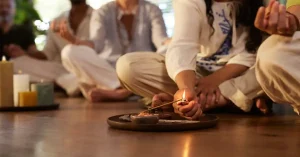

Faith plays a powerful role in shaping a person’s outlook on life, values, and sense of purpose. Across communities and cultures, ministries serve as important centers where individuals can nurture their spiritual life while also developing personally. Through guidance, support, and shared experiences, ministries help people grow in faith and build stronger character. These spaces are not only about worship but also about learning, healing, and becoming better individuals.
The Role of Ministries in Spiritual Development
Ministries provide a structured environment where individuals can explore and strengthen their faith. Through regular gatherings, prayer sessions, and teachings, people gain a deeper understanding of spiritual principles and how they apply to daily life. These activities help individuals reflect on their actions, make thoughtful decisions, and develop a stronger connection with their beliefs.
By participating in ministries, individuals often find clarity and comfort during challenging times. The spiritual guidance offered helps them navigate personal struggles with hope and confidence. This steady encouragement allows people to build a firm spiritual foundation that supports them throughout their lives.
Encouraging Personal Growth Through Community Support
One of the most meaningful aspects of ministries is the sense of community they create. Being part of a supportive group allows individuals to share their experiences, listen to others, and learn from different perspectives. This interaction promotes understanding, empathy, and emotional growth.
Ministries often foster friendships and mentorships that guide individuals toward positive life choices. When people feel supported and valued, they are more likely to work on improving themselves. This environment of care and encouragement contributes significantly to personal development.
Teaching Values and Moral Responsibility
Ministries play a key role in teaching values such as kindness, honesty, patience, and compassion. These values shape how individuals treat others and handle various life situations. Through lessons and discussions, people learn how to apply these principles in their homes, workplaces, and communities.
This moral guidance helps individuals develop a strong sense of responsibility. They become more aware of their actions and their impact on others. As a result, they grow into more thoughtful and ethical members of society.
Providing Opportunities for Service and Leadership
Many ministries offer opportunities for individuals to take part in volunteer work and leadership roles. Serving others through charitable activities, community programs, or organizing events allows people to practice what they learn. These experiences build confidence, teamwork skills, and a sense of purpose.
Leadership roles within ministries also help individuals develop communication and organizational skills. By guiding others and taking responsibility, they gain valuable experience that benefits both their personal and professional lives.
Supporting Emotional and Mental Well-Being
Ministries often provide a safe space where individuals can seek comfort and understanding. Talking about personal challenges in a supportive setting can relieve stress and anxiety. Spiritual counseling and fellowship help individuals feel less alone in their struggles.
This emotional support contributes to better mental well-being. Knowing that there is a community ready to listen and help gives people strength to overcome difficulties and maintain a positive outlook on life.
Conclusion
Ministries do much more than organize religious activities. They empower individuals by nurturing faith, encouraging personal growth, teaching valuable life principles, and offering emotional support. Through community involvement and opportunities to serve, people gain confidence, purpose, and a stronger sense of self. In this way, ministries become powerful platforms for both spiritual and personal transformation, helping individuals lead meaningful and fulfilling lives.